Nutritional Principles for Men's Well-being

Educational content exploring foundational nutritional concepts relevant to daily wellness

Understanding Nutritional Needs

Daily nutritional requirements vary based on activity level, age, metabolism, and individual circumstances. Understanding general principles of balanced nutrition provides foundation for making varied dietary choices aligned with personal wellness goals.

Energy Requirements

Daily energy needs depend on basal metabolic rate, physical activity level, and other individual factors. Balanced nutrition provides stable energy throughout the day through varied macronutrient composition.

Muscle Maintenance

Protein supports muscle structure and function. Adequate protein intake, combined with physical activity, supports muscle maintenance across all life stages.

Sustained Wellness

Consistent balanced nutrition supports physical performance, mental clarity, immune function, and overall energy levels for daily activities.

Building Daily Energy

Adequate energy intake from diverse macronutrients supports daily physical and mental performance. Understanding how different foods contribute to sustained energy helps in making consistent food choices.

Macronutrient Balance

  • Carbohydrates: Primary energy source, especially complex carbohydrates for sustained fuel
  • Proteins: Support energy metabolism, muscle maintenance, and satiety
  • Fats: Concentrated energy source, support hormone production and nutrient absorption

Consistency Matters

Regular meal timing with balanced composition supports stable energy levels, improved focus, and better physical performance compared to irregular eating patterns.

Man enjoying physical activity and healthy lifestyle

Practical Daily Application

Applying nutritional knowledge to everyday eating involves choosing diverse whole foods, recognizing balanced meal patterns, and listening to individual body signals.

Meal Composition Principles

  • Combine vegetables, whole grains, legumes, and other diverse foods
  • Include varied protein sources throughout the day
  • Balance macronutrients according to activity and individual factors
  • Stay hydrated with consistent water intake
  • Maintain regular eating patterns that support energy stability

Individual preferences, cultural background, and lifestyle circumstances shape specific food choices within these general principles.

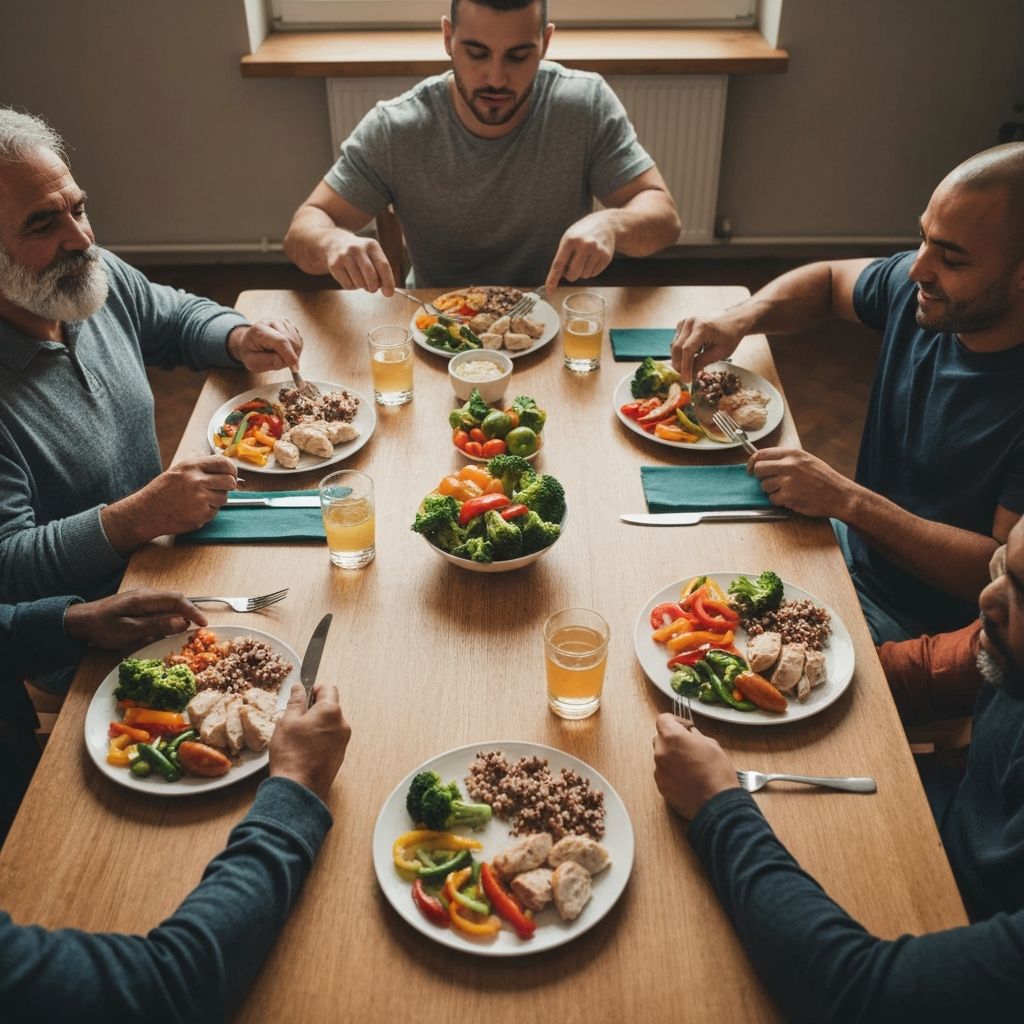
Diverse group enjoying healthy meals together

Protein and Daily Functions

Protein plays multiple roles in bodily functions beyond muscle support. Understanding diverse protein sources and their benefits supports varied dietary composition.

Diverse Protein Sources

  • Legumes and beans
  • Nuts and seeds
  • Whole grains
  • Plant-based alternatives
  • Other varied sources

Rotating protein sources throughout the week ensures diverse amino acid profiles and broader micronutrient intake.

Functions Beyond Muscles

  • Enzyme production and metabolic functions
  • Hormone synthesis and regulation
  • Immune system support
  • Tissue repair and maintenance
  • Transport of nutrients throughout the body
High-protein foods supporting energy and muscle maintenance

Lifestyle Integration

Physical Activity

Regular movement supports cardiovascular health, muscle maintenance, and mental well-being. Combined with balanced nutrition, activity enhances overall wellness.

Recovery and Rest

Adequate sleep and recovery time support immune function, metabolic health, and physical performance. Nutrition and rest work synergistically for optimal wellness.

Stress Management

Balanced nutrition supports cognitive function and stress resilience. Combined with adequate rest and activity, nutrition forms part of comprehensive wellness approach.

Individual Variation

While these principles apply broadly, individual nutritional needs vary based on age, activity level, metabolism, health status, and personal preferences. These general educational concepts provide foundation for understanding daily nutrition, with individual adjustments guided by personal circumstances and professional counsel when needed.

Explore Full Educational Content